
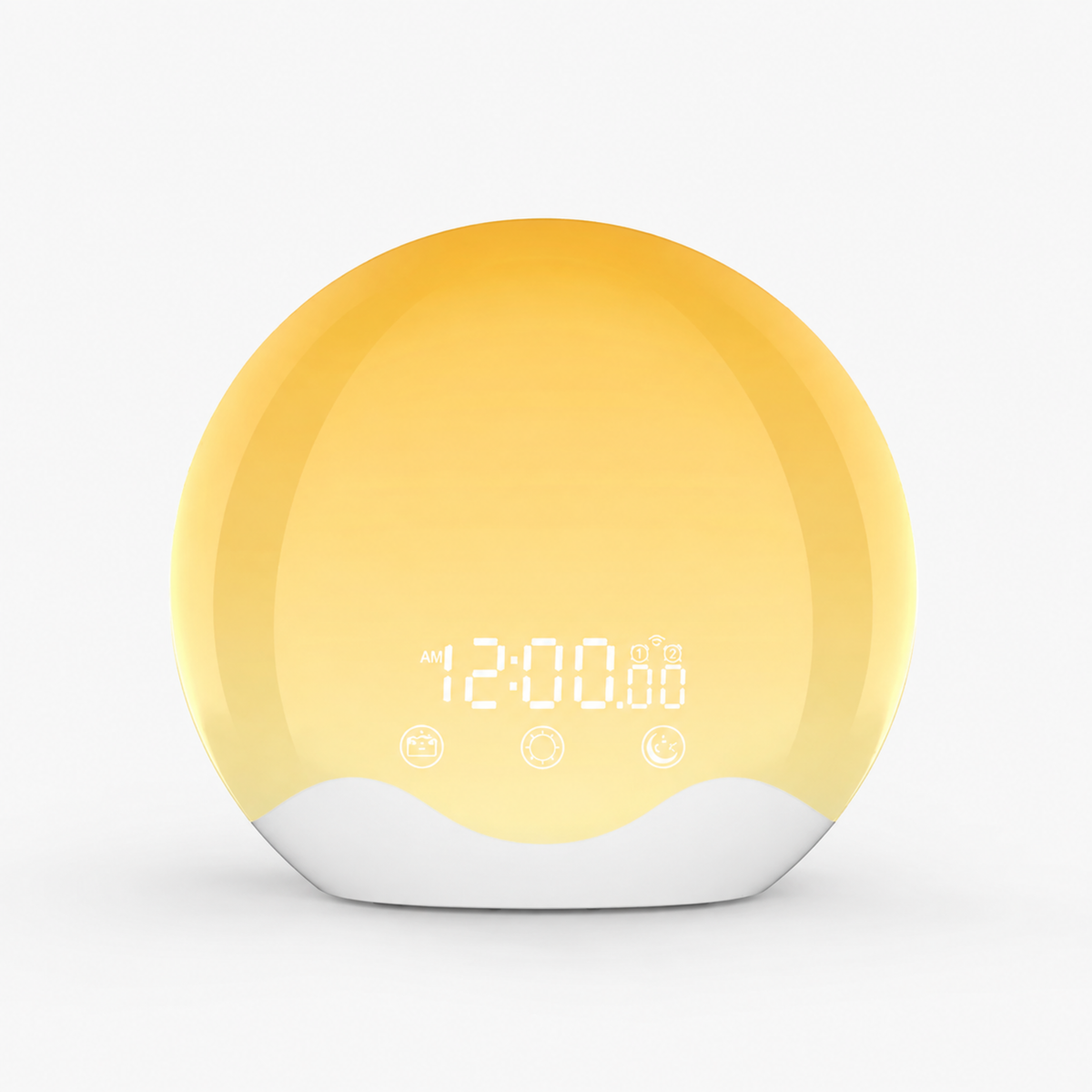
Feeling alert late at night and tired in the morning can have several causes. A regular daily pattern is a useful starting point. Speak to your GP if ongoing sleep problems affect your daily life.
What is a circadian rhythm?
Your circadian rhythm is your body's internal 24-hour clock. A small region of the brain uses cues from the outside world, mainly light, to decide when you should feel alert and when you should start winding down. It influences when you get sleepy, when you feel most awake, and even when you feel hungry.
The word comes from the Latin circa diem, meaning "about a day". Left completely alone, most people's internal clock runs slightly longer than 24 hours, which is why it needs daily cues to stay on time.
What throws your body clock off?
- Bright screens late at night. Light in the evening tells your brain it's still daytime.
- Dim mornings. Waking up in a dark room and staying indoors means your clock never gets a clear "morning" signal.
- Irregular sleep times. Lie-ins at the weekend can create a kind of social jet lag by Monday.
- Late caffeine. Coffee in the afternoon can push your natural sleepiness later.
- Travel and shift work. Crossing time zones or working nights forces your clock to adapt quickly.
7 habits to reset your circadian rhythm
1. Pick a wake-up time and stick to it
Choose a wake-up time that fits your responsibilities and aim for a regular pattern. If sleep difficulties persist or affect your daily life, seek appropriate advice rather than relying on a fixed timetable for improvement.
2. Get light in your eyes early
Morning light is the strongest signal your body clock receives. Open the curtains straight away, and try to get outside for 10 to 20 minutes within the first hour of waking. In darker UK winters, a sunrise alarm clock brightens the room gradually before your alarm goes off, so you're not waking in pitch black.
3. Drink water before coffee
A glass of water is a simple option with breakfast. If you prefer a flavoured drink, read the directions and ingredients for a hydration powder. There is no universal requirement to delay coffee for 60–90 minutes after waking; choose caffeine timing with your sleep and sensitivity in mind.
4. Set a caffeine cut-off
Caffeine can affect sleep for hours, and sensitivity varies. The NHS sleep guidance advises avoiding tea or coffee at least six hours before bed. Use your intended bedtime and individual response rather than assuming one clock time suits everyone.
5. Dim the lights after dinner
Switch to lamps rather than overhead lights in the evening, and turn screen brightness down. Your body takes its cue from the darkening room.
6. Make your bedroom properly dark
Streetlights, standby lights and early sunrises in summer can all creep in. Blackout curtains help, and a well-fitting sleep mask blocks light wherever you are.
7. Build a short wind-down ritual
Doing the same few things in the same order each night, like a warm shower, a few pages of a book, or lights off at the same time, teaches your brain that sleep is coming.
How long does it take to reset your circadian rhythm?
There is no single timetable that fits every person or cause of disrupted sleep. Keep changes manageable and seek professional advice if problems persist, especially when shift work, travel or a medical condition complicates the pattern.
Frequently asked questions
Can you reset your circadian rhythm in one day?
Not fully. You can give it a strong nudge with bright morning light and an early wake time, but expect it to take several days to settle.
Is it bad to sleep in at the weekend?
An occasional lie-in is fine. Regularly sleeping two or more hours later at weekends makes Monday mornings harder, because your clock drifts later.
When should I speak to a doctor?
If you've been struggling with sleep for several weeks, or you feel very tired during the day despite good habits, speak to your GP.
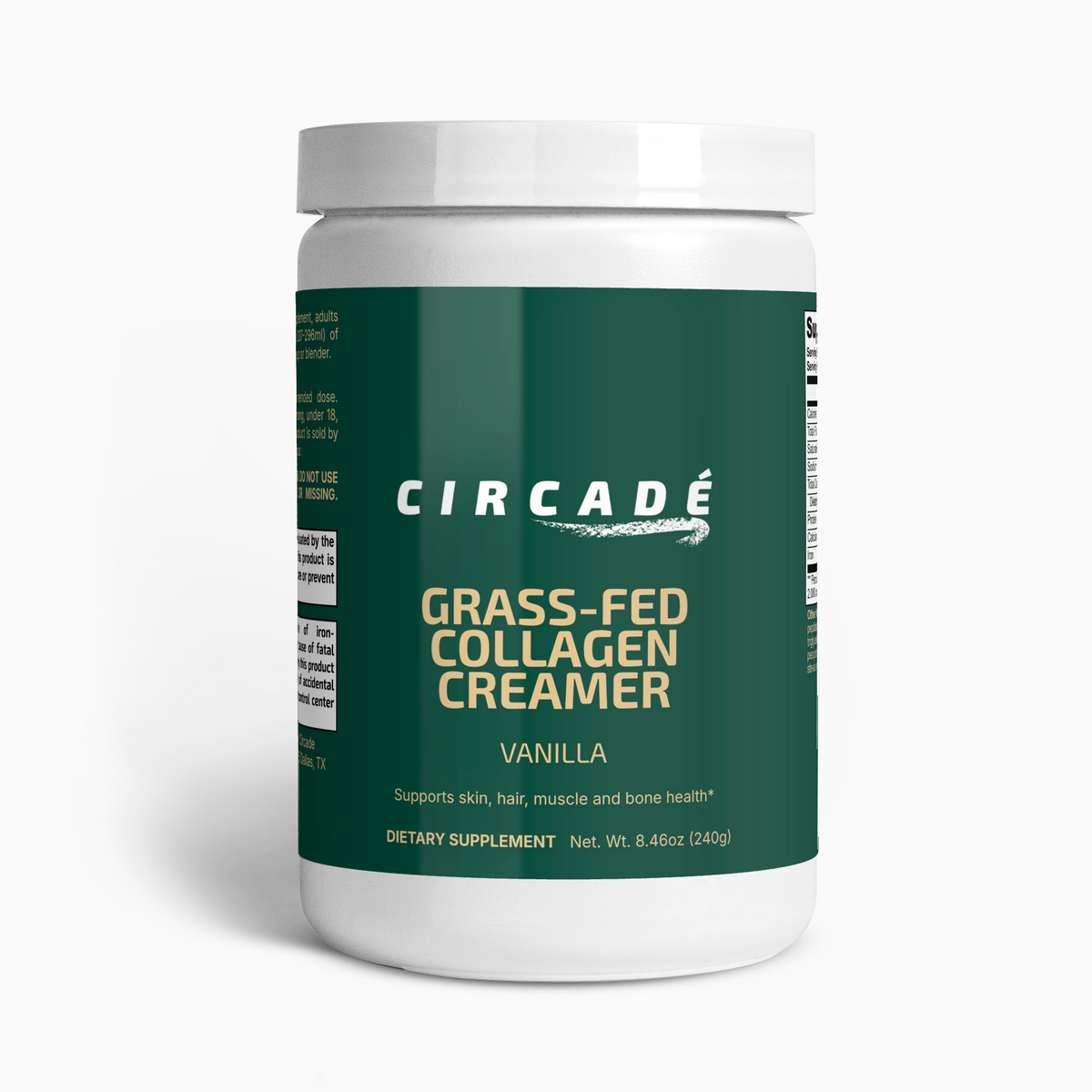
Start with one change. Pick your wake-up time, get some light early, and build from there. Explore the full Circade range for tools that make each step easier.

Leave a comment
This site is protected by hCaptcha and the hCaptcha Privacy Policy and Terms of Service apply.